

Canadian CPI — A Mere Placeholder That Wasn’t as Dovish as Markets First Believed
Markets clearly saw evidence of weaker inflation and responded by at first unwinding some of the rise in shorter-term yields that was occurring before the data and by driving the C$ to depreciate by about half a penny afterward. CAD retained this weaker bias after the dust settled, but on a morning of broad strength in the USD. Most of the initial rates response was unwound, however, as the two-year GoC yield now trades close to where it was before the data. To leave it at what markets emphasized in their initial response would be an incomplete take on the full suite of evidence in my view.
Markets reacted the way they did based upon two main things. One is that m/m headline CPI at 0.5% without seasonal adjustment was a little softer than expected and that’s what instantly flashes on traders’ screens. That translated into a 0.26% m/m SA headline CPI increase which was close to my estimate of 0.3% so there isn’t as much surprise on the seasonally adjusted figure. Still, it’s a soft-ish reading but at 3.2% m/m SAAR it’s a definite bounceback from the 0% m/m SAAR reading in December.
Second is that year-over-year gauges of inflation decelerated. Headline CPI was at 5.9% (6.3% prior). Traditional core CPI (ex-food-and-energy) also eased back to 4.9% from 5.3% partly because the m/m seasonally adjusted reading was up by only 0.14% m/m (1.7% m/m SAAR) which drops the 3-month moving average of this measure to 0.25% m/m SA (or 3.1% annualized). The weighted median (5% y/y from 5.2%) and trimmed mean (5.1% from 5.3%) CPI gauges also eased. It’s not wrong to look at these gauges, but doing so gives an incomplete picture of inflation at the margin that is less driven by year-ago base effects and by narrow components.
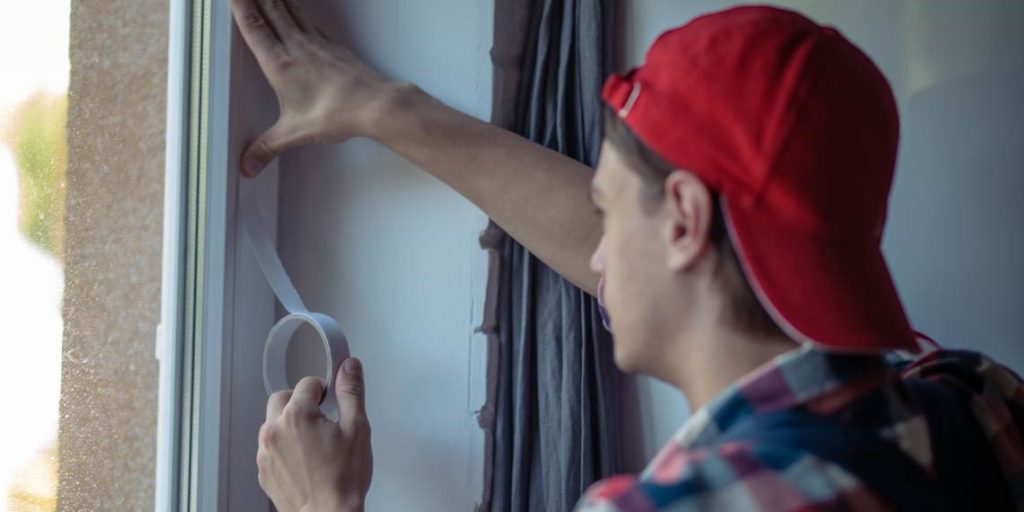
3 tips to help disaster proof your home
(NC) Extreme weather events are becoming more frequent and more intense across the country. That’s according to data from Public Safety Canada, which also found that the most common events are floods, forest fires, earthquakes, thunderstorms, hurricanes and winter storms.
No one wants to go though one of these, but some of us will. Here are some tips to help protect against the worst of the damage affecting you, your family and your property so you make it through unscathed.
1. Know the risks to your home
The more you know about what might occur in your area, the better you can prepare. Risks differ from region to region. To get an idea, consider how your geography affects you: For instance, homes next to the Atlantic Ocean may be at risk for hurricanes, the West Coast has earthquakes to consider, and central Canada might focus on what to do in a white out. Find out if you live in a flood plain and consider historical weather events that have passed through your region.
2. Make a plan just in case
An emergency plan is a crucial step to prepare your home and family for the unexpected. In it, you should include safe meeting places, important information like insurance details and contact information for friends and family. Also note your home’s emergency exit routes, the location of at least one emergency kit, and any important steps and reminders for when a disaster occurs.
3. Ready your physical space
In addition to creating an emergency plan, take steps to help make your home more resilient:
- Take care of landscaping and cut back any dead branches.
- Store important documents above floor level, and not in the basement.
- Keep heavier items on lower levels of shelves.
- Use surge protectors to prevent power surges when electricity comes back on after an outage.
- Fix cracks, gaps and leaks promptly.
- Ensure landscaping grades away from the home and downspouts point away from the foundation.
- Consider adding backup power if you use a sump pump.
- Consider installing backflow valves for toilets and drains.
- Install weatherstripping around doors and windows.
- Consider durable or fireproof materials such as insulated concrete forms if you are remodelling.
- Store an emergency kit on the premises with supplies to get you through several days.
Find more information on how to protect against disaster, including what to keep in your emergency kit, at getprepared.ca.www.newscanada.com
Have mortgage questions? I’m here to help you!
Please feel free to contact me with any questions you may have. It would
be a pleasure to assist you or any one of your friends or family members!