

Statistics Canada: Quarterly rent statistics, second quarter 2026

The average asking rent for a two-bedroom apartment across all census metropolitan areas (CMAs) combined was $2,130 per month in the second quarter of 2026, down 3.6% from the second quarter of 2025.
These findings are from the Quarterly Rent Statistics program for the second quarter of 2026. These new data are compiled for CMAs across Canada’s 10 provinces.
In the second quarter, asking rent for a two-bedroom apartment decreased year over year in many CMAs, such as Abbotsford–Mission (-6.4%), Calgary (-6.4%), Montréal (-5.2%) and Vancouver (-4.1%); however, it increased year over year in other CMAs, such as Thunder Bay (+6.5%), Sherbrooke (+5.7%), Halifax (+5.3%) and Saskatoon (+5.2%). Average monthly asking rent was highest in Vancouver ($3,030), Toronto ($2,650), Victoria ($2,640) and Halifax ($2,400).
Where available, the concept of paid rent has been added to the estimates from the first quarter of 2019 onward. While asking rent refers to the price posted on major rental listing platforms, paid rent reflects the current amount paid by existing renters, typically based on a formal lease agreement and, if applicable, subsequent rent increases. Paid rent estimates for the second quarter of 2026 are available for 18 CMAs.
In the second quarter, the average asking rent for a two-bedroom apartment was higher than the average paid rent in almost all CMAs where both figures were available. The only exceptions were Calgary (asking rent of $1,890 per month and paid rent of $1,930 per month), Regina (asking rent of $1,480 and paid rent of $1,580) and Edmonton ($1,570 each). Average monthly paid rent for a two-bedroom apartment was highest in Vancouver ($2,470) and Toronto ($2,160) in the second quarter.
Source: www150.statcan.gc.ca
Small choices that can keep packaging out of landfills
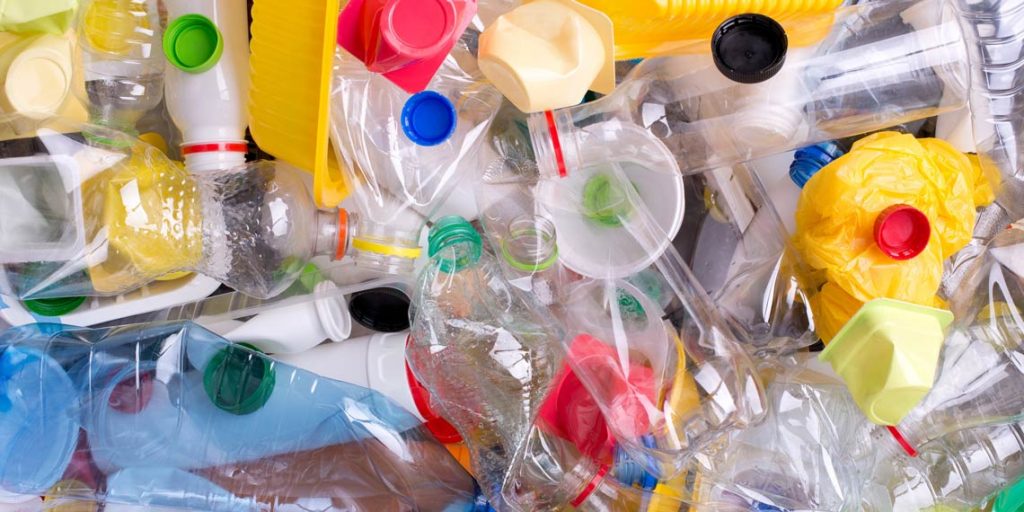
(NC) The idea of throwing something out and having it end up in an enormous landfill pile doesn’t sit well with many Canadians. An initial instinct is to simply use more recyclable items, or at least make sure that more items end up in the blue bin for collection. But that’s not always the right answer—it’s important to know what can actually end up as recycled material.
How does plastic recycling work?
According to data from Statistics Canada, we discard over 5,000 kilotonnes of plastic each year—that’s more than five billion kilograms. Of that, about 20 per cent ends up being collected for recycling. The recyclable plastic in your blue bin goes through several stages:
- Crews collect it and bring it to a materials recovery facility (MRF).
- Paper, metal and plastics are sorted out from each other.
- Plastics are sorted by type using optical sensors and packaged into bales of fragments.
- A recycler takes the bales and sorts the plastics further.
- They’re cleaned, melted and turned into pellets, which can be used to make new plastic items.
It’s a complicated process, and things can go wrong. Non-recyclable contaminants must be filtered out for the plastic to be usable—most comes from items being put in blue bins that shouldn’t be there. Black plastics and soiled containers are difficult for the optical sorting sensors to detect and often get filtered out.
Canada’s industries are working to make recycling more effective through initiatives like the Canada Plastics Pact. It’s an organization working to lower plastic waste and create a circular economy for plastic packaging. This includes making more packaging recyclable, as well as designing containers that can be reused or refilled.
There have been measurable results from many members of the pact, including its founders. For example, Loblaw switched from black plastics to recyclable pigments in its containers, simplified the materials it uses and redesigned its packages to reduce unnecessary components. As a result, 95 per cent of the packaging for its house brands and in-store prepared items meets the pact’s rules for improving recyclability.
Can you help more plastic make it to recycling?
There are some simple things you can do at home to make your effort at the blue bin go farther, such as:
- Flatten your plastic bottles. This helps them travel more easily through automated equipment. It’s important to make sure they’re flat and skinny, not short and stout—don’t just crush the bottle straight down. Tightening the cap or lid helps it get sorted properly despite its small size, plus it helps the bottle stay flat.
- Be careful what you put in the bin. Adding contaminants to the plastic stream can result in whole batches of plastic having to be thrown out. Avoid having cords, hoses, wires or plastic bags in the blue bin; they can get caught in the sorting machinery.
- Always check what can be recycled. Not every plastic can be used, and “wishcycling” the wrong items can result in good plastics getting removed during sorting. It’s important to check what items are accepted in your area, because it can vary.
Recycling is a more complicated and delicate process than many of us give it credit for. Done well, it can help keep valuable materials in circulation and reduce waste, but getting there will take all of us working together. You can learn more about plastic recycling at loblaw.ca/en/plastics.
| Have mortgage questions? I’m here to help you!Please feel free to contact me with any questions you may have. It would be a pleasure to assist you or any one of your friends or family members!This electronic mail transmission and any accompanying attachments contain confidential information intended only for the use of the individual or entity named above. Any dissemination, distribution, copying or action taken in reliance on the contents of this communication by anyone other than the intended recipient is strictly prohibited. If you have received this communication in error please immediately delete it and notify the sender. |
 VERICO Financial Group Inc. VERICO Financial Group Inc.1.866.983.7426 | info@verico.ca 2100 Derry Road West, Suite 420 Mississauga, Ontario L5N 0B3 Canada Each VERICO Broker is an independent owner and operator. Copyright © VERICO Financial Group Inc., All rights reserved. |